Taking care of your ears means protecting your hearing, your balance, and your overall quality of life in the long term.
Types of Hearing Loss
Types of Hearing Loss – Conductive: Problems in the outer/middle ear (e.g., infections, earwax). – Sensorineural: Damage to the inner ear or auditory nerve (e.g., aging, noise exposure). – Mixed: Combination of both types.
Symptoms – Difficulty following conversations, especially in noise. – Frequently increasing TV volume. – Ringing in the ears (tinnitus). – Dizziness.
When to Seek Help – Sudden hearing loss. – Hearing loss after injury or loud noise. – Hearing loss with pain or dizziness.
Treatment – Hearing aids or cochlear implants. – Surgery for certain conditions. – Medical treatment for infections.
Ear Hygiene
Importance of Ear Hygiene – Essential for preventing infections. – Helps maintain overall ear health. – Neglect can lead to conditions like otitis externa and cerumen impaction.
Role of Ear Wax (Cerumen) – Protection: Traps dust and bacteria. – Lubrication: Keeps the ear canal moist. – Antibacterial Properties: Reduces infection risk.
Natural Color of Ear Wax – Healthy ear wax can vary from light yellow to dark brown. – The color may change due to age, diet, and hygiene practices. – Darker wax is often older and may contain more debris.
Production of Ear Wax -Some individuals produce more ear wax than others. – Factors such as genetics, environment, and lifestyle can influence production levels.
Need for Regular Cleaning –Some individuals may require regular cleaning due to excessive wax buildup. –Others may not need cleaning, as their ears can self-clean.
Proper Cleaning Practices – Outer Ear: Clean with a damp cloth. – Avoid Cotton Swabs: Can push wax deeper and cause injury.
Tinnitus
What is Tinnitus? It is the perception of ringing, buzzing, or humming sounds without any external source.
Causes: – Chronic noise exposure -Hearing loss – Stress -Excessive caffeine – Certain medications -Impacted earwax – Idiopathic
Management: – Proper hearing evaluation – Identifying the underlying cause
Helpful measures: – Reducing noise exposure – Improving sleep – Limiting stimulants – Sound therapy or cognitive behavioral therapy (CBT) in some cases
Urgent Evaluation: Seek immediate attention if tinnitus occurs with: – Sudden or one-sided hearing loss – Severe dizziness
Book your consultation with a specialist to begin your journey in treating tinnitus.
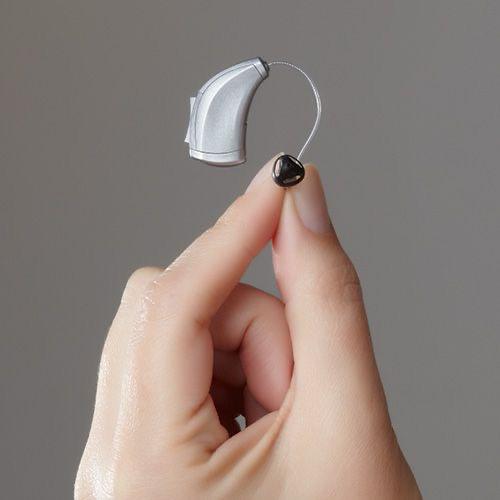
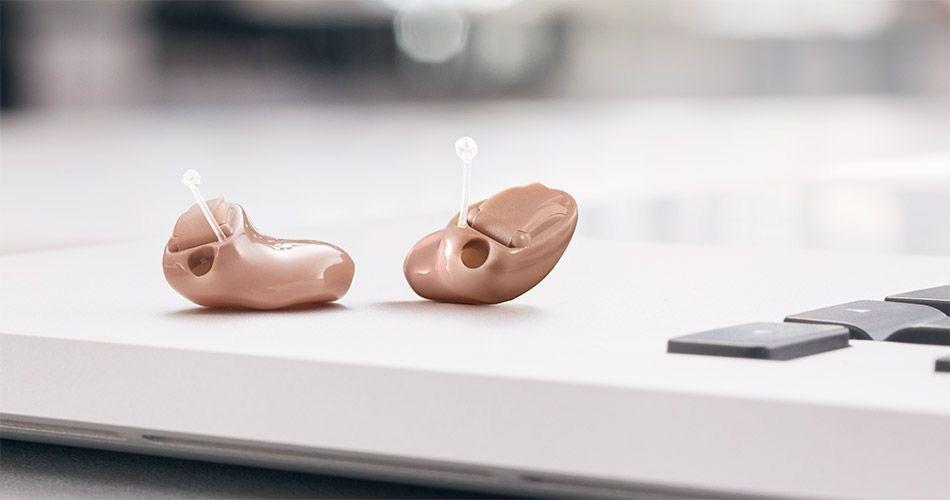
Hearing aids come in various styles, including behind-the-ear (BTE), custom models, and receiver-in-canal (RIC) options. An audiologist will evaluate your age, lifestyle, type and degree of hearing loss to recommend the most suitable option. They will then adjust the device to provide you with the best sound quality tailored to your needs
How to Clean Them
Wipe the device daily with a soft, dry cloth.
Clean microphone and sound openings with a small brush, and regularly replace the wax guard.
Avoid using alcohol or water directly on the device—moisture can damage sensitive components.
Store the aids in a dehumidifier box at night, especially in humid environments or if you sweat heavily.
Changing Batteries or Charging
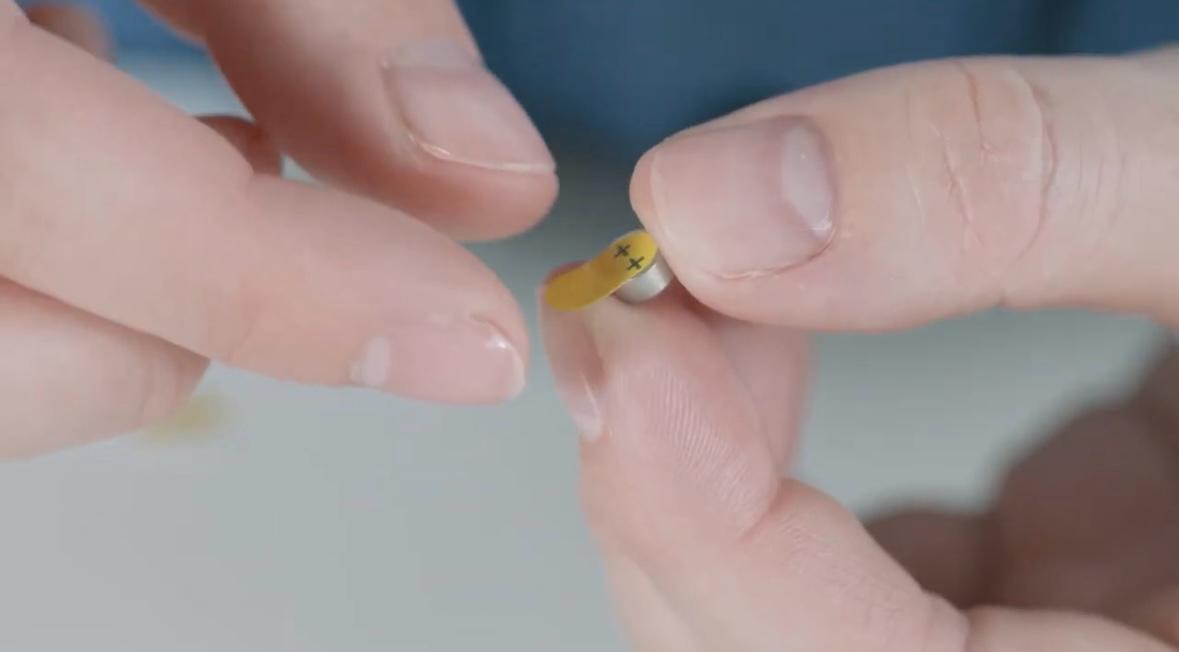
Zinc-air batteries come in standard sizes (10, 312, 13, 675). Remove the sticker and wait 1–2 minutes before inserting to activate them.
For rechargeable models, place them in the charger every night and avoid frequent full discharges.
Dispose of used batteries safely through recycling or designated waste containers.
Common Issues and Quick Fixes
No sound: Check that the device is on, adjust the volume, replace the battery/charge it, and clean the wax filter.
Weak or intermittent sound: Inspect the battery and connections between receiver and aid, and check tubing or wires.
Whistling/feedback: May indicate earwax blockage or a poor fit—clean the ear canal and adjust the mold with your audiologist.
Bluetooth connection issues: Re-pair from the app, restart the phone and aid, and install the latest firmware updates.
If problems persist, contact us—we provide quick support and professional servicing to ensure your hearing aids perform at their best.